
Built-Ins / Mudrooms
Mudrooms built for Saskatchewan winters
Benches, boot cubbies, hooks and closed upper storage, scribed to walls that are never square and built from materials that shrug off snow, salt and hockey gear.
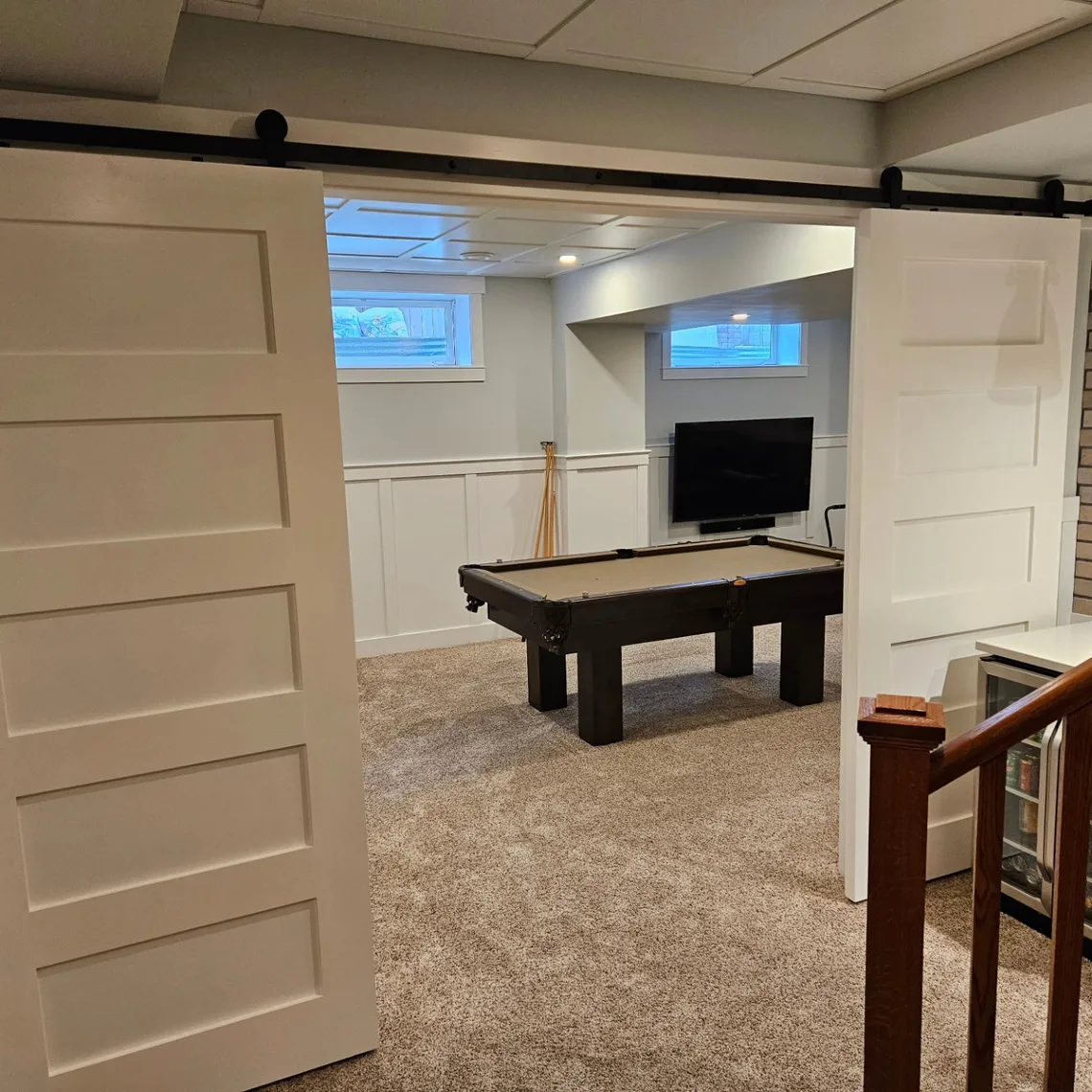
What we build
Pieces in this collection
The entry is the hardest working square metres in a prairie house for six months of the year. A mudroom that fits your family's actual gear is the single built-in that people tell us changed their daily life the most.
We design around what you own: how many pairs of boots, whether backpacks or gym bags dominate, whether the dog leash needs a home, and whether you want it all visible or behind doors when guests arrive.
Bench and cubby units
Seating at the right height with open cubbies below for boots that need to dry.
Lockers per person
A defined column for each family member, which is what actually keeps the space tidy.
Closed upper storage
Doors above to hide the seasonal clutter, with adjustable shelving inside.
Hooks and rails
Solid backing behind every hook, set at heights that suit adults and children.
Drop zones
A shelf for keys, mail and chargers, with an outlet planned into the millwork.
Laundry adjacency
Folding surfaces and hanging rails where the mudroom and laundry share a room.
Gallery
Recent work from the shop
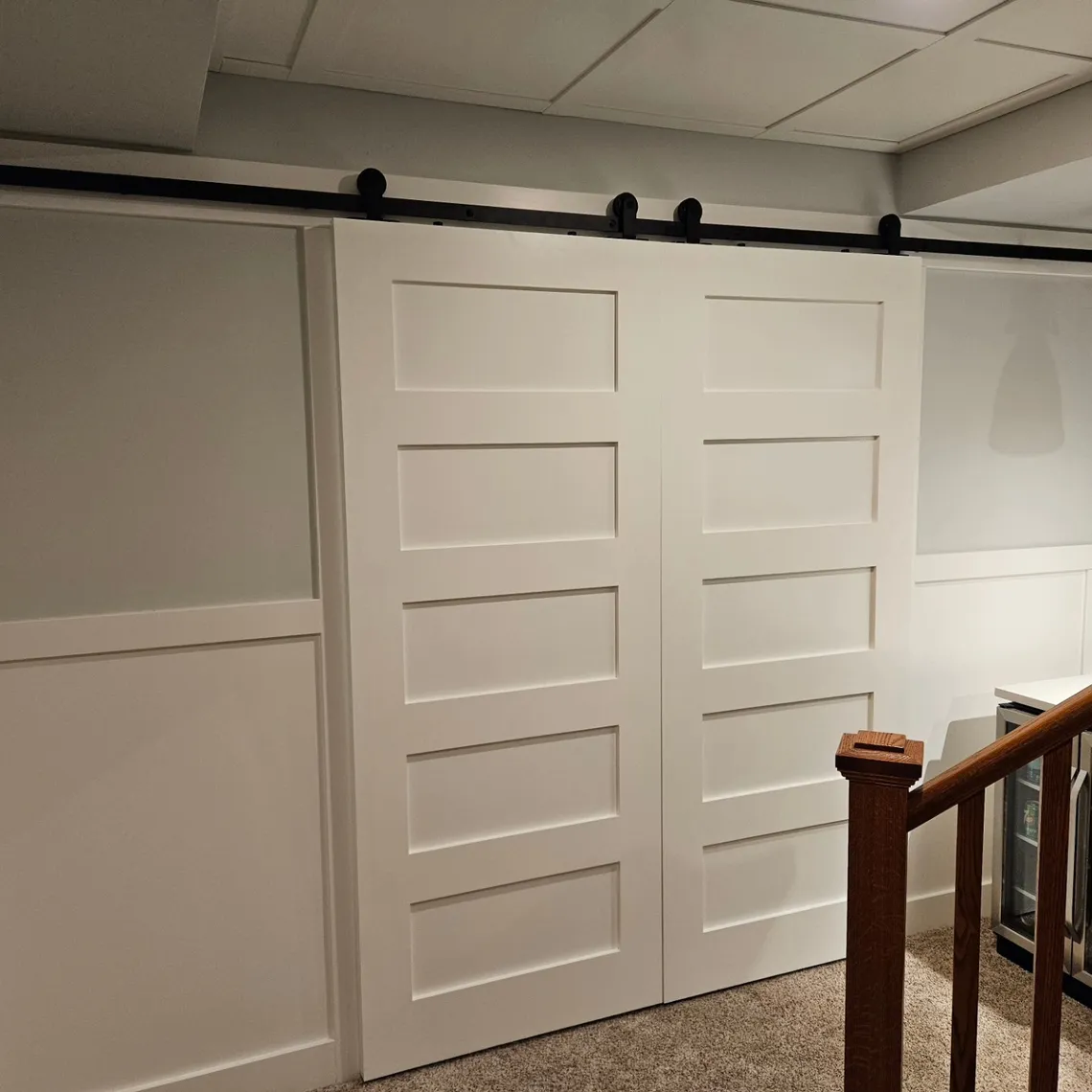
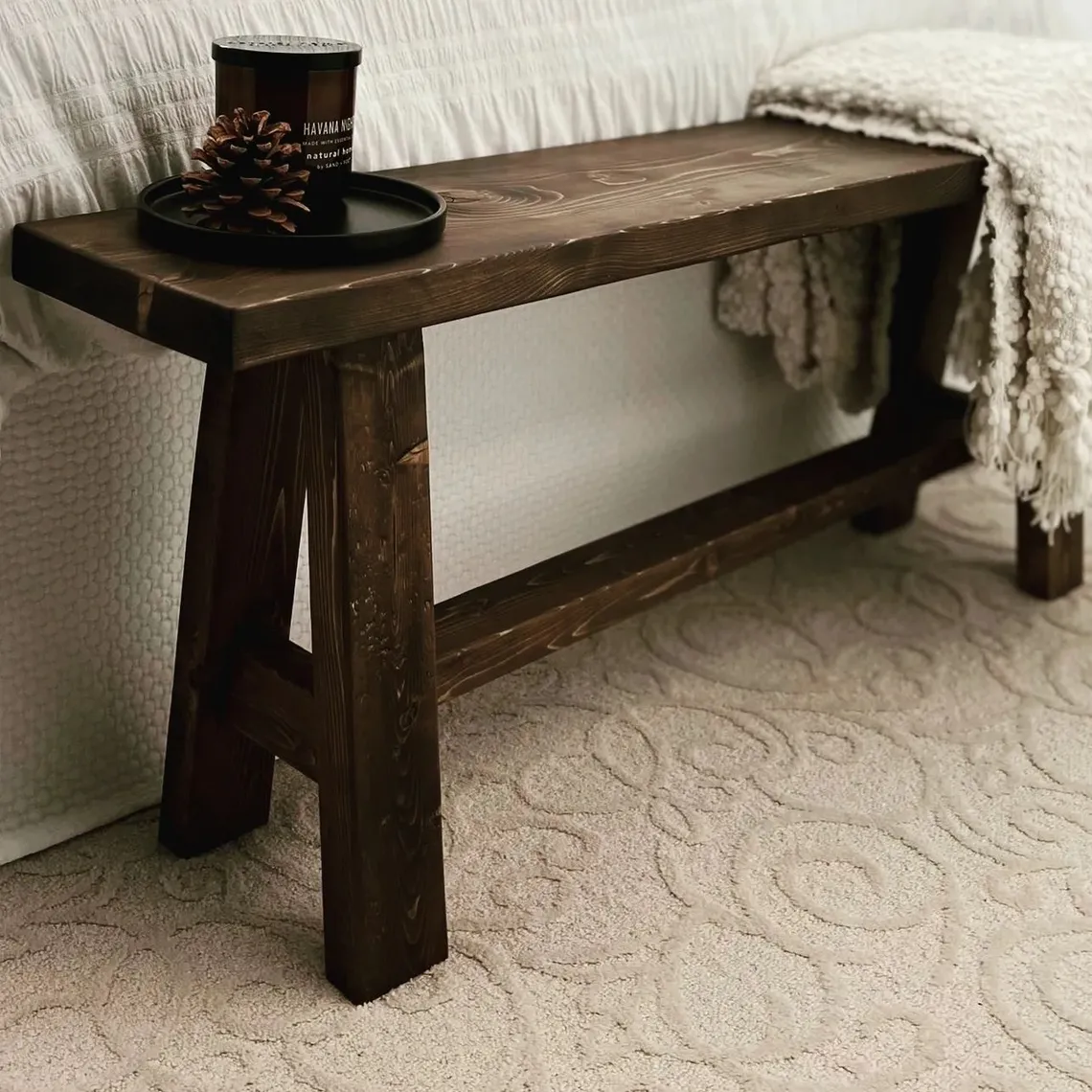
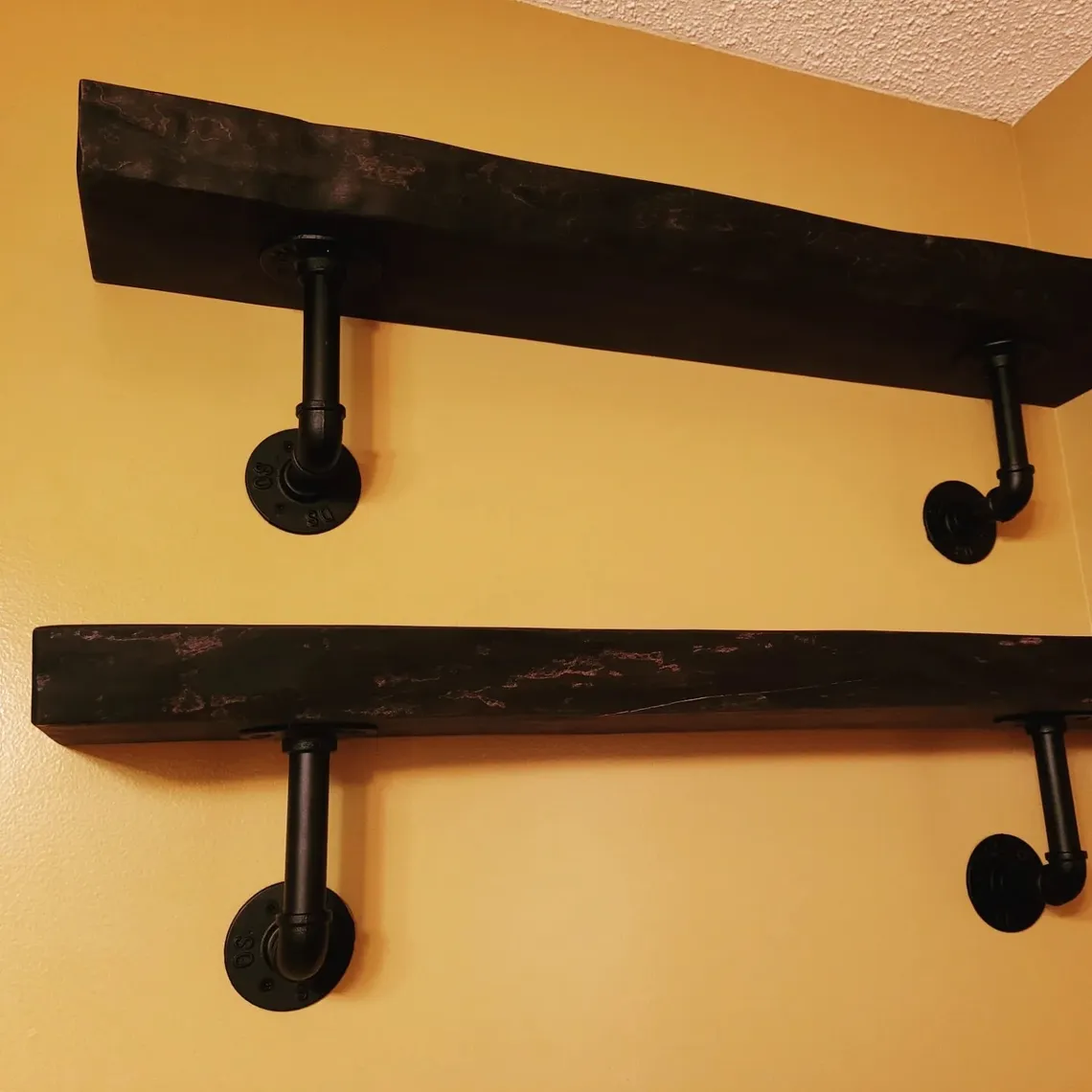
Before you commission
What we work through together
Real gear, real sizes
Winter boots and hockey bags are bigger than catalogue cubbies. We measure your gear before setting cubby widths.
Wet and dry zones
Open, ventilated space for wet boots; closed storage for the things you would rather not look at.
Durable surfaces
Solid wood where hands and boots make contact, and a finish chosen for salt and slush.
Out of square walls
Every carcass is scribed to your walls on site rather than shimmed and caulked into a gap.
Questions
Answers before you get in touch
If yours is not here, ask us directly. We answer every inquiry personally.
- How much space does a mudroom built-in need?
- A useful bench and cubby run works in as little as 1.2 m of wall. Anything more lets us add lockers per person.
- Painted or stained?
- Both work. Painted reads brighter in a small entry, stained hides scuffs better. Many of our mudrooms combine a stained bench top with painted carcasses.
- Can you work around existing trim and flooring?
- Yes. We scribe to what is there, and we will tell you honestly if removing a piece of trim gives a better result.
- How long does installation take?
- Most mudrooms install in one to two days because the units are built and finished in the shop first.
Our process
From first message to installed piece
Seven clear stages, so you always know what happens next.
- 01
Initial inquiry
Tell us what you have in mind. A rough idea, a room measurement, or a photo you saved is plenty to start with.
- 02
Consultation
We talk through how the piece will be used, who sits where, what has to fit, and which woods and finishes suit the room.
- 03
Design and quote
You receive drawings, dimensions, wood and finish options, and a firm price. We adjust until it is right on paper.
- 04
Deposit and scheduling
A deposit reserves your spot in the shop calendar. You get a realistic build window, not a guess.
Reviews
What Saskatchewan homeowners say
“Our bunk room sleeps six now and the kids love it. They worked around an awkward ceiling and made it look intentional.”
“The mudroom is the hardest working part of our house. Boots, backpacks, hockey gear, all of it finally has a home.”
“They measured, drew it up, and built exactly what we talked about. No surprises, no chasing anyone for updates.”
Next step
Fix the busiest room in your house
Tell us what you have in mind. We will let you know if it is something we build, roughly what it involves, and when we could start.